Wildlife does not check out boundary maps. Deer vault five-foot barriers without thinking. Prairie wolves crawl through gaps that look unnoticeable to us. Hogs treat weak mesh like tissue. If you construct fencings for a living, you currently recognize the fence has to talk the language of the pet. The best layout reduces, reroutes, or discourages wild traffic without transforming the building right into a prison lawn. Done right, it conserves plants, shields animals, and still lets the land breathe.
I develop fences for people that battle elk on hayfields, raccoons in wonderful corn, and black bears that prefer the very easy path to a hen cage. The pattern repeats throughout climates and budgets: when we match the fence to the types, terrain, and land usage, the failures drop and the maintenance timetable calms down. The adhering to are field-tested ideas that aid Fencing Contractors and Fence Installers provide jobs that stand up when the wildlife pushes back.
Start with what the animals want
Every intrusion has a factor. Water, grain, shelter, a shortcut, or a breeding course. Stroll the fence line with the proprietor and quietly read the website. You will detect the story in the trampled turf and the gotten hair. A prairie wolf's stubborn belly trail under sagging cord. Deer hoof prints bunched before a low spot. Hogs burrowing where the dirt remains moist. Birds pecking at berries from an edge post. Build for the real transgressor, not the pictured one.
Before you begin publishing and extending, lock in five essentials.
- Identify the main target species and the high-pressure season. Map the natural funnels such as attracts, creek crossings, and tree lines. Measure dirt problems for messages and grounding, from sand to clay to rock. Flag grade changes that create both dive points and dig zones. Choose a maintenance plan the owner will actually comply with, not a desire list.
Those five items guide the whole specification. They also determine where you invest money on products and where you conserve with smart layout. Any Kind Of Fence Contractor worth their day's wage understands a well placed brace or an effectively based energizer can outwork a loads economical improvisations.
Material choices that withstand teeth, unguis, and claws
Welded cable looks tidy up until a hog evaluates it. After that it folds up in squares along the welds. For wild animals stress, you desire woven or dealt with knot mesh. The distinction shows up under stress. Woven and set knot rearrange load throughout the upright and straight cables as opposed to standing out at a joint. If I anticipate serious pressure, I specify taken care of knot with 12.5 scale, Course 3 galvanization, or a zinc-aluminum Bezinal kind covering for coastal or highly harsh soils. In average ranch nation, Class 3 galvanized holds 20 to three decades if it is not regularly soaked or sprinkled with plant food. On the completely dry side of the Mountain ranges, I have seen it push past that.
High tensile strands radiate for electrical deterrents and leading wires. They lug stress over long covers, shrug off temperature swings, and hold a crisp profile that dissuades leaning or pressing. For hot cables, I choose smooth 12.5 scale with a high quality insulator that matches UV exposure.
Chain web link has a place around solution backyards and urban borders, but it is not my very first choice for wide acreage since it is pricey, snag prone, and more noticeable than you generally want in a field. If you go chain link, tip up to 9 scale core with an integrated and bound finish, not light household mesh. Tie it with light weight aluminum or stainless for durability, not cheap galvanized ties that snap in two winters.
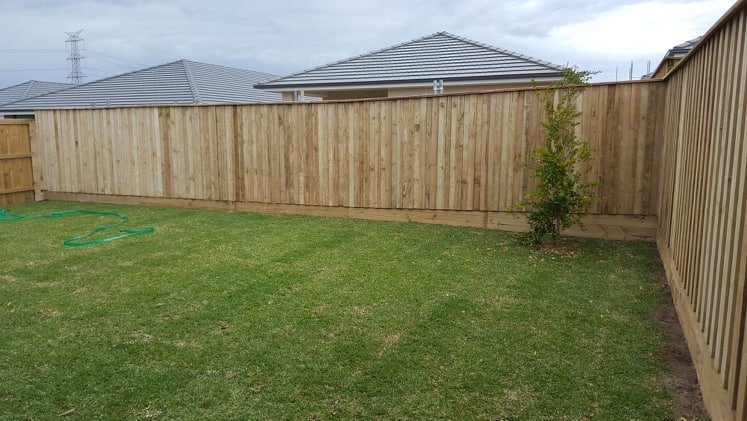
Wood looks timeless and sells well, yet by itself it is not wild animals resistant. Deer jump it, births break it, and bunnies walk under it like it is a welcome mat. Combine timber rails with woven wire or include a warm countered. If you establish hardwood blog posts, pick UC4B treated material rated for ground contact. In rough nation or sandy blowouts, steel pipeline or driven T-posts last longer than half-hearted timber.
Vinyl has the very same problem as timber without the stamina. Horses love it due to the exposure. Killers and deer treat it like a difficulty. If a client insists, embed cord mesh on the within or run warm cords to keep pressure off the rails.
Height, mesh size, and the lower edge
Fences Have a peek at this website commonly fail near the bottom or at the very first very easy jump. The magic numbers are based in makeup. Can a nose lift the mesh? Can unguis locate acquisition on the grid? Can the upper body clear the top when the pet is at rate and downhill?

- Deer and elk require 7 to 8 feet to accurately stop jumping in high stress zones. In moderate zones, six feet plus a warm top cord or an outside angle at the top can work. Where budget plan presses back, I occasionally pile a 5 foot mesh with a two foot hot standoff over. Standoffs prolong external or internal by 6 to 12 inches to interfere with leap timing. Hogs appreciate all-time low, not the top. The response is a hidden apron or a toe board. Hide mesh 12 to 18 inches right down or lay an 18 to 24 inch apron external at the base and backfill. If trenching is not possible, I pin the apron with landscape staples or rebar risks and let sod root through. Rabbits and little killers slide with lazy mesh. A two by four inch V mesh holds small bodies without kinking. For gardens, half inch hardware fabric on the bottom 24 inches quits voles and rabbits, however it will certainly not last by itself against bigger pets. Use it as a skirt under larger mesh. Coyotes and bobcats examination edges and climb. A smooth, warm offset 8 to 10 inches from the face at 12 to 16 inches high ruins their approach. On chain link, an internal top rail flare of 12 inches with a warm wire denies the last grip.
Keep the bottom line reduced adequate to seal, yet high enough to stay clear of continuous rot and snow heave. In prairie turf thatch, a 2 to 3 inch void is the sweet place. In snow nation, lift the bottom in drift areas and depend on aprons or electrified offsets so the fence does not become a snow fencing that falls short by February.
Corners, braces, and the physics of a hard push
Wildlife fencings collect pressure in the edges and at quality breaks. If a support falls short, the whole run loosens, voids open, and you are back for repair services in 6 months. For woven or repaired knot, I construct H supports with a diagonal from reduced fencing side to high blog post side, double stapled and with a strong support pin or welded saddle at the rail. Drive or establish edge blog posts deep, 3.5 to 4 feet in suitable dirts, deeper in sand. Concrete jobs if you bell out the bottom or pin the sides, yet it can become a glossy sleeve in frost zones. In clay, I choose tamped backfill with gravel and penalties layered, then water set to lock it.
Post spacing for wild animals stress need to tighten up to 8 to 10 feet on apartments and 6 to 8 feet on contours and swales. On steep ground, I reduce periods so I can maintain the textile tight without scalloping. A limited line keeps pets from nosing under or discovering a grip in the belly of the mesh.
Electric deterrents that really bite
Electric by itself is an emotional fence. It shows behaviors. The first touch needs to sting enough that the animal does not attempt again. For that, joules issue more than jawing about miles of fence on the box. A one to three joule stimulant manages tiny yards and light paddocks. For wild animals stress over property, I spec 6 to 12 kept joules as a baseline and go higher if the line goes through hefty plants. A great regulation is to oversize and maintain the line clean so the bite is consistent.
Grounding is the quiet hero. 3 to five ground rods, eight feet each, spaced 10 feet apart, driven right into wet soil, bound with appropriate clamps and a continual ground cable. In dry or sandy soil, I run a hot ground system, rotating hot and ground wires undecided so the pet finishes the circuit without relying upon dirt wetness. Lightning defense is entitled to a spending plan line. An affordable lightning diverter and a sacrificial cutout save a $500 energizer in one summer storm.
Solar stimulants belong far from the barn only if the panel and battery are sized honestly. Small solar appearances fine at install, after that gives up in week two of over cast weather. I place panels for full sun, tilt for the latitude, and go for at least three to 5 days of battery reserve. If the client can not dedicate to plants control, I switch over to a broader polytape for visibility and lift the lower hot cable a little bit so yard does not wick the fee away by July.
Gates, water gaps, and the places fencings usually leak
Gates end up being the weak link since they draw web traffic and accumulate ruts. I hang 12 to 16 foot gateways with slam locks and a decline rod sleeve established in concrete so the lock end can not be raised. I include a brief hot countered at breast height near the lock to remind curious animals to back off. For constant equipment access, I mount a dual entrance and a clear apron so the sagging that includes soft dirts does not create a permanent gap.
Water spaces are where excellent fences most likely to die if the design is as well inflexible. In creeks that rise and fall, I rig a swing entrance with cable television and wall mounts so particles can pass and the obstacle resets when the water goes down. In large, superficial crossings, I hang a series of curtained chains or weighted rods that touch the circulation. They do not stop fish, yet they prevent animals and slow-moving wildlife. Replace chains with poly rope for a light-weight setup, then include a warm wire on drifts upstream to keep noses off the movable parts.
Species specific notes from the field
Every region has its trademark mischief-maker. In the Midwest, white-tailed deer deal with soybeans like a buffet. In the Southeast, feral hogs tear fields overnight. In the Mountain West, elk and moose examination every corner. Bears overlook respectful requests and go right for the feed shed.
- Deer and elk: Assume height and perception. Staggered deepness develops an aesthetic challenge. A 5 foot outer fence set 3 feet from a 6 foot inner fence spooks leaps, since the animal can not evaluate the landing. If there is no space for dual fencing, include a top rack with a 12 inch outward angle and a visible leading wire or tape. Deer like to land on flat ground. Remove the tempting level area by grading or by planting a thorny hedge inside. Hogs: They dig where the dirt invites them. An apron and rock backfill at fencing lines cut their enthusiasm fast. Under gateways, I established a railway tie or a hidden board as a deadman, then cover the apron over it so the hog satisfies both wood and wire. Coyotes and bobcats: Corners initially. That is where they check for slack. Maintain those corners tight, add a hot balanced out at nose elevation, and get rid of grips like added bracing boards on the outside face. Bears: They value electrical power if it is straightforward. I line the beyond a coop or shed with 4 or 5 hot cords from 6 inches approximately 48 inches, baited with a strip of bacon on light weight aluminum foil at nose height for the initial week. One certain shock at the right spot trains a bear much better than any type of screaming match. Beavers: You can not fencing water, however you can protect the culvert. A trapezoid or round culvert fencing constructed from heavy panel, evaluated the very least 6 feet from the mouth, widens the intake so beavers can not connect it successfully. Include T posts and cord panels forming a cone. They obtain burnt out and move on.
Terrain, snow, and floodplains
Flat areas forgive a great deal. Hills and river bases do not. On inclines, lift the bottom cord on the uphill side to maintain a straight line of tension and afterwards pin apron product or include rock at low points so the visual line does not invite a nose under. On sharp breaks, utilize shorter blog post spacing and draw textile in phases so the mesh does not pucker.
Snow country punishes square edges. Round them somewhat, shorten post spacing, and run taller dental braces. Lift the lower side where wanders stack and rely on an apron or a reduced hot offset to keep honesty. If clients keep hay near a fencing, press it farther back or fence it separately. Elk see hay with a seven foot fence like a dare.
Floodplains and washes demand forgiveness. Construct water voids that turn. Usage breakaway web links on reduced cords so the river can take a sacrificial area without dragging the whole panel downstream. Area extra connections and pre-cut fixing wire in a weatherproof box near crossings. The teams that can fix a washout in an hour keep clients loyal.
Hardware, layers, and the sluggish battle against rust
Staples, clips, and connections are not exciting, but they make or damage a fence three to 5 years out. Use barbed staples on wood messages where code allows, driven with the crown set vertical to the grain so they attack without splitting the message. For steel T posts, use hefty clips, not the flimsy ones in bargain containers. On chain link, choose light weight aluminum incorporate harsh zones and pre-bent stainless where vandalism is a concern.
Coatings matter. Course 1 galvanization looks glossy and affordable. Course 3 is where durability starts. Zinc-aluminum mixes last longer around fertilizers and seaside air. Powder coat on gateways protects the steel under UV and manure, however pick the appropriate preparation. Warm dipped after fabrication lasts longer than paint that peels in 2 summers.
The craft of fasteners and stretching
Stretch woven and repaired knot with a proper stretcher bar, not by grabbing a few verticals with a set of chains. Align bench to pack every wire just as. Draw to 200 to 250 extra pounds of stress above tensile woven, commonly extra on lengthy straight runs, yet watch the wire memory and the temperature. Stretch on an awesome early morning so the thermal growth does not gift you droop by afternoon.
Staples ought to hold, not choke. Leave a small shake so the cable can move with temperature level and animals do not discover to pry a tight staple out. On corners, connection verticals independently for three to five rooms so a break does not unzip a whole panel.
Visibility and coexistence
A wildlife resistant fence need to not blind the land. Birds need trip paths. Turtles and turtles need a way through or around. If you are secure fencing near wetlands, raise the bottom void by an inch or 2 in choose flows and add small, mounted crawl doors with spring closers every 50 to 100 feet. Mark top cables with white or reflective tags at 10 to 15 foot intervals along recognized bird flight hallways so cranes and grouse see the line. These tweaks cost a fraction of the task and conserve headaches with neighbors and agencies.
Leave a wildlife passage when practical. A 12 to 20 foot unfenced space channelled with natural barriers, put much from plants or animals, maintains the rest of the line quiet. You can backstop that corridor with a hot wire on temporary articles throughout peak pressure weeks. It is not concerning caging the land. It has to do with routing the flow.
Urban sides and HOA lines
In towns and residential areas, coyotes find out the trash routine and deer bed behind sheds. A Fence builder working tight great deals need to stabilize codes, aesthetics, and function. I have actually constructed spruce privacy lines with a hidden internal layer of black PVC covered welded wire from grade to 30 inches to stop little pets. Over that, I add a warm countered encountering exterior at 18 inches to keep climbing up noses honest. Gates obtain brush sweeps or light weight aluminum limits bolted to the slab so raccoons do not slide under. If chain link is the only accepted design, run personal privacy slats and keep the mesh stretched limited to refute toeholds. A little inverter energizer concealed in a weatherproof box can power a hot offset discreetly.
Costs, compromise, and what to tell the client
Honesty at the proposal phase avoids awful call later on. A hog evidence woven fencing with aprons, driven blog posts, and suitable gates often runs 2 to four times the expense of basic field fencing per linear foot. Deer height pushes product and labor by 30 to 60 percent over a typical livestock line. Electric offsets are low-cost to mount and pricey if overlooked, due to the fact that weeds and driftwood transform them off. If the customer can not commit to seasonal upkeep, prejudice the layout towards easy toughness, not brilliant electronics.
Fence Contractors and Fencing Builders stand apart by giving options in clear language. You could offer a base fencing that quits casual wildlife, then a tiered upgrade with heavier material, deeper aprons, and extra durable bracing where the owner understands the stress is worst. Define the upkeep: trim or spray the fence line two times a period, check voltage weekly during peak pressure, walk the corners after any kind of storm that brings branches down.
A small field guide to types and specs
When a customer calls and states the fence fell short, the repair typically matches among a handful of patterns. Use this quick comparison to straighten a layout with reality.
- Deer and elk - 7 to 8 feet of dealt with knot, or 6 feet with a hot top cord and external angle. Add deepness if area enables by setting a second internal barrier 3 feet in. Feral hogs - 48 inch hefty woven with 12 to 18 inches buried or a 24 inch apron. Rock backfill at gateways. Hot balanced out 8 inches up if excavating continues. Coyotes and bobcats - 5 to 6 feet of limited mesh, warm offset at 12 to 16 inches, edges strengthened, eliminate footings. In metropolitan places, inward 12 inch top flare. Rabbits and small killers - 2 by 4 inch V mesh to 36 inches, with 12 inches buried or skirted. Equipment towel skirt for gardens where spending plan allows. Bears - 4 to five warm wires from 6 to 48 inches around cages and sheds, 6 to 12 joule energizer, bait very first week for a strong initial shock.
These are beginning factors. Terrain and stress can shift numbers up or down.
Installation workflow that saves rework
Great Fence Contractors run jobs that look smooth externally since the preparation hides the headaches. I start with corners and braces, after that pull a pilot line along the quality to check out the land in 3 dimensions. Messages go in with spacing that responds to the hills, not the invoice. Textile comes last, extended in the cool, linked tidy, and energized after every steel ground or neutral is checked.
During punch out, I try to see it like an animal does. I step 5 paces back, crouch, and look for light under the lower cable. I push with a boot at a reduced spot and judge if a prairie wolf would attempt it. I put the mesh near a brace, listen for a dull thunk that means slack, then include a staple or a connection. That last 10 percent separates a suitable fence from a reputable one.
Maintenance that proprietors can keep
The finest design still requires care. Give the proprietor an easy regular and the economical devices to do it. A $25 mistake finder, a hand rake, a pair of fence pliers, and a bag of clips spend for themselves the initial period. Ask to walk the fence monthly throughout pressure season and after every tornado. Inform them to clear plants under hot cords prior to the weeds turn brownish and conductive. Establish a loss date to raise lower warm cords in snow belts so they do not get iced up right into drifts. Springtime look for heave and reset drop rods at gates.
A great Fence Installer makes maintenance simple by leaving classified extra insulators, a couple of pre-cut remains, and an easy map that shows where the below ground power crosses, where the ground bed rests, and where the water voids turn. Clients bear in mind that degree of treatment, and they call you back for the next project.
Permits, neighbors, and the long memory of a poor fence
Some regions regulate fence elevations, wild animals corridors, and riparian obstacles. A Fencing Contractor that recognizes the neighborhood peculiarities wins quotes. If you plan a 8 foot deer fence near a road, check sightline rules and ask the highway department about snow drift influences. When you develop near a building line, talk to the neighbor. Deal to clean up brush on their side and to move a blog post a foot if it relieves equipment access. The expense of a good reputation is low compared to a period of feuds.
Final word from the jobsite
Wildlife-resistant fence rewards craft and penalizes shortcuts. It is easy to market high and tight. It is harder, and much better, to market a system that matches varieties, terrain, and the proprietor's cravings for upkeep. The top Fence builders in any kind of area are not the loudest. They are the ones whose fencings still look right after 3 wintertimes and one flood. If you work as a Fence Contractor or run a staff of Fencing Installers, put your money where the pets hit initially, and develop the remainder to offer that objective. The land will certainly instruct you the remainder, one hoofprint at a time.